Why Hansem Global?

Documentation-Aware Content Structuring

We analyze the manual structure and content first, then design a reusable content model and choose the right implementation approach.

Flexible Implementation Options

From Hansem Global’s own solutions to commercial CMS platforms and lightweight conversion methods, we recommend the approach that fits your content, workflow, and budget.

Ongoing Content Operations

We support not only implementation, but also ongoing content creation, updates, multilingual rollout, and maintenance after the system is in place.

Why Structure Manual Content?

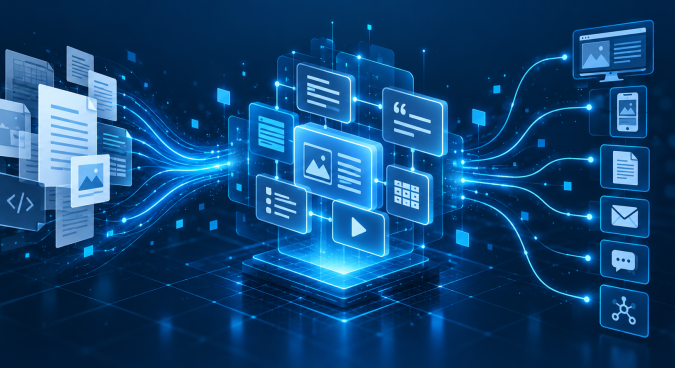
When manual content is managed as reusable information rather than fixed pages, the same content can be shared across products, documents, channels, and languages. Changes become easier to control, and the content becomes more adaptable to future digital and AI-based use.

  • Content ReuseCommon descriptions, procedures, safety information, and visual assets can be structured as reusable components and shared across multiple models and documents. This reduces duplicate authoring and minimizes the need to update the same information separately in different files.
  • Multichannel DeliveryStructured content can be delivered across web manuals, mobile environments, apps, embedded product interfaces, and other digital channels. The same source content can be adapted for different outputs without rebuilding each version from scratch.
  • Easier Change Management & QAClear content structure makes it easier to identify what has changed and how related information is connected. It also provides a stronger foundation for automated checks covering terminology, omissions, consistency, version changes, and document-specific rules.
  • AI-Ready ContentContent with clear structure and metadata is better suited for search, RAG, AI assistants, and other AI-based information delivery. Structuring content today creates a foundation for future ways of finding, delivering, and using product information.

Content Engineering Services

Manual Content Structuring

We manage manual content as reusable information rather than fixed pages. Standard sentences, procedures, warnings, and other recurring content can be registered and reused across product models, variants, and future revisions.

By reducing unnecessary rewriting, the same approved content can be maintained more consistently across manuals and languages. We also design governance for content changes, sentence history, and safety- or regulatory-related wording so updates can be controlled over time.

Standard content library · Change governance · Content history · Safety and regulatory content management

Turn manual content into reusable assets that can be managed, updated, and scaled.

Digital Manual Development

We convert print- and InDesign-based manuals into responsive digital manuals without forcing documentation teams to replace their existing authoring environment. With Hansem Global’s TransEZ, structured styles in IDML files can be interpreted and transformed into HTML-based digital content.

The same source structure can support multiple languages and output formats, reducing repeated layout work as models and languages increase. Depending on project needs, we can support responsive web manuals, mobile delivery, and structured formats compatible with future digital publishing environments.

IDML-based structuring · Rule-based HTML conversion · Responsive templates · XML/DITA-compatible structures

Extend existing manuals into scalable digital formats without rebuilding the entire authoring workflow.

Documentation QA Automation

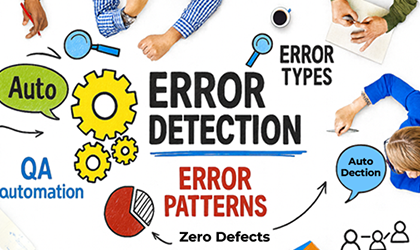
We turn recurring production tasks and error patterns into automated checks. Instead of relying entirely on manual comparison, our QA tools verify terminology, version changes, UI text fit, model names, QR codes, document specifications, and other project-specific requirements across large volumes of content.

Validation rules can also be customized for individual customers, products, regions, or document types. This is particularly effective for multilingual manuals and derivative models where the same checks need to be repeated across many files and releases.

Terminology QA · UI overflow checks · Version tracking · DTP specification checks · Pre-conversion style validation · Custom validation rules

Automate repetitive checks to improve consistency while reducing manual review effort.