Tourism Localization
Localization for visitor attractions, tourism operators, and hospitality brands across training, operations, guest experience, and marketing.


Strong localization capability across Korean, Japanese, Chinese, and Southeast Asian languages for tourism and hospitality operations.
We keep terminology, tone, and instructions aligned across training, operations, guest information, signage, web, and marketing content.
We handle eLearning, video, web, apps, print, signage, and other visitor-facing content within a connected localization workflow.
We localize staff training, operating procedures, safety information, booking and guest guidance, signage, websites, apps, videos, and marketing content. Each content type serves a different purpose, so the localization approach needs to reflect how and where the content will be used.
No. Training and operational content require clarity and consistency with actual procedures, while safety information demands especially precise wording. Guest-facing content must be immediately understandable, and marketing content may require more creative adaptation to engage local audiences. We select the workflow according to the purpose, audience, and level of risk.
The same terms and instructions often appear across training, SOPs, signage, guest information, websites, and apps. If these are localized separately, wording and meaning can become inconsistent across channels. We help keep terminology, tone, and key instructions aligned so staff, partners, and visitors receive consistent information throughout the experience.
Yes. Approved translations can be organized into terminology databases, translation memories, and style guides, then reused for new locations, languages, and content updates. This helps preserve approved wording, reduces repeated work, and makes future localization more efficient as the operation expands across markets.
We localize onboarding materials, operating procedures, safety training, eLearning modules, refresher courses, and other staff-facing content used in day-to-day tourism and hospitality operations. Accuracy and instructional clarity are especially important because localized content must remain consistent with actual procedures at each location.
Our teams work with course text, UI strings, subtitles, voice-over scripts, quizzes, downloadable materials, and supporting operational documents to maintain consistency.
Clear, consistent training and operational content for teams across markets.![]()
![]()
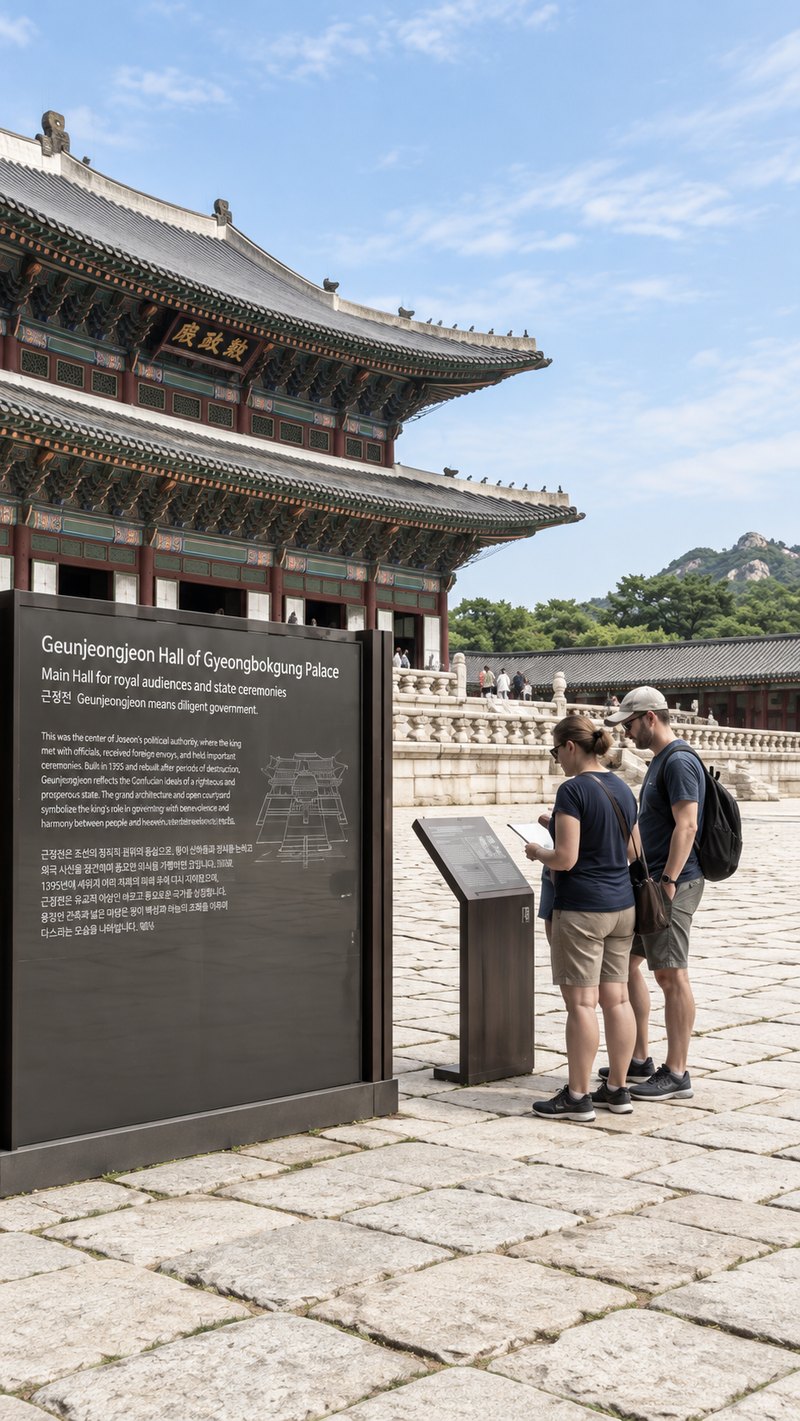
We localize booking information, visitor instructions, FAQs, ticketing content, signage, maps, safety notices, facility information, and other guest-facing materials used before and during the visit.
Content is adapted for clarity, usability, and the local context, while key terms and instructions remain consistent across channels. This helps visitors understand what to do, where to go, and how to use services with less confusion.
Practical multilingual information that helps visitors navigate the experience with confidence.![]()
![]()
We localize tourism websites, apps, social media, campaigns, promotional videos, and other digital marketing content for local audiences. The localization approach varies by content purpose: informational content needs clarity and consistency, while marketing content may require more natural adaptation or transcreation to remain persuasive in the target market.
We also coordinate terminology and messaging across digital channels so that the visitor experience remains connected from trip planning through the on-site experience.
Localized digital and marketing content that informs, engages, and stays consistent across markets.![]()
![]()
We build and maintain terminology databases, translation memories, style guides, and decision records for recurring tourism and hospitality content. Approved names, safety terms, operating expressions, and brand wording can then be reused across future updates, new locations, and additional languages.
This reduces repeated work, preserves approved language, and helps organizations maintain consistency as their multilingual content grows over time.
Reusable language assets that make every new market and update easier to manage.![]()
![]()
Case studies, guides, and articles related to this service.