


Blog
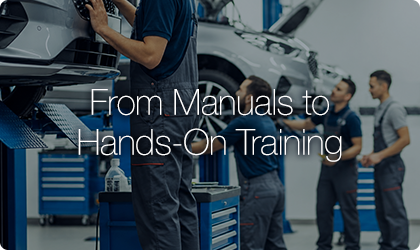
Turning Technical Manuals into Service Training Content
Installation and service manuals contain the technical information technicians need to install, maintain, and repair products correctly. But documenting a procedure and ensuring that technicians can perform it consistently are not the same thing. When critical procedures are turned into task-based training, field teams can see how the work is done, practice key decisions, and […]

Multilingual Manuals Need More Than Translation
A translation can be accurate and still leave your documentation team with a poor multilingual manual. For manufacturers of industrial equipment, construction machinery, robotics, and other complex products, the real challenge often begins after translation—when UI terminology, layouts, safety information, revisions, and final deliverables all have to stay aligned across languages. This article looks at […]

Why Correct Translations Still Sound Wrong
Even an accurate, grammatically correct translation can feel unfamiliar to local users. Spelling, units, dates, numbers, terminology, and formatting conventions vary by market. For manufacturers localizing manuals and technical documentation across multiple countries, controlling these locale-specific differences is part of translation quality, not a final polish. The problem may be locale, not translation The United […]
Manual Development Starts with Terminology
For manufacturers selling products across multiple markets, terminology should be established before the manual is written. This is especially important for industrial equipment, construction machinery, material handling equipment, and medical devices, where users need to identify functions, components, controls, and safety information correctly. When a new product is ready for documentation, what should come first? […]

3 Reasons Technical Documentation Transformation Fails
Manufacturing documentation teams often begin digital transformation by comparing CCMS platforms, authoring tools, implementation costs, and migration schedules. But the harder problem usually appears later. Existing manuals may not be structured for reuse, automated conversion, or multichannel publishing. Authoring rules may exist, but they are not applied consistently. Some rules may not be documented at […]
The Real Scope of AI in Manual Production
AI has a narrow working range in manual production. In derivative production, only one of the eight process steps centers on writing. Most technical documentation work inside a manufacturer is derivative production. This article draws on operating data from a large manufacturer’s multilingual manual development program. It separates new production from derivative production and rates […]
Who Owns the Regulatory Content in Your Product Manuals?
Product manuals and instructions for use carry dozens of items that exist because a regulation requires them: certification marks, mandated warning text, manufacturer and importer details, disposal notices, language requirements. Ship to more than ten markets and those items multiply into hundreds of combinations. If nobody owns the list, a single rule change can take […]

Your Manual Has Two Kinds of Drawings. Only One Has Rules.
Most drawings in a manual are the writer’s call. A few are not. Those few have a fixed shape, and getting them wrong costs the document its credibility. This article covers where illustration and safety pictogram part ways, and which rules apply once you cross that line. 1. Instructional illustration vs. safety warning image User […]